How to Evaluate Concrete Drainage Issues
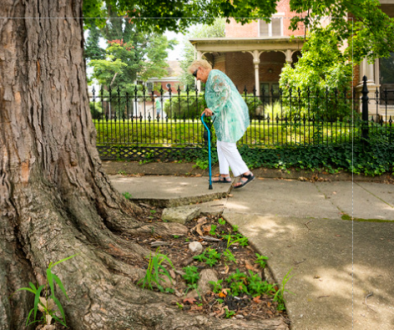
Poor drainage is one of the most common — and most costly — reasons concrete settles, cracks, and becomes uneven. Across commercial properties, parks, schools, HOAs, and public spaces, water that isn’t directed properly can wash out the base beneath your slabs. Over time, that leads to sinking sidewalks, shifting panels, trip hazards, and long‑term structural damage.
If you manage property in Iowa or Illinois, understanding how to spot early drainage issues can save you thousands in repairs and prevent safety concerns before they escalate.
To help you get started, we put together a short educational video that walks through what to look for and how to evaluate your site.
Watch the video: https://youtu.be/TBmDKmra-a0?si=vh8jlh6XGcFLeKn8
Why Drainage Matters
Concrete is only as strong as the base beneath it. When water pools or flows toward your slabs, streets, parking lots, or storm intakes, it can erode the soil underneath. Once that support is gone, the concrete begins to settle, tilt, or crack — often unevenly.
Left unaddressed, drainage issues can lead to:
- Trip hazards
- ADA compliance concerns
- Premature concrete failure
- Water intrusion into buildings
- Liability risks for property owners
How to Spot Early Signs of Drainage Problems
1. Pooling or Standing Water
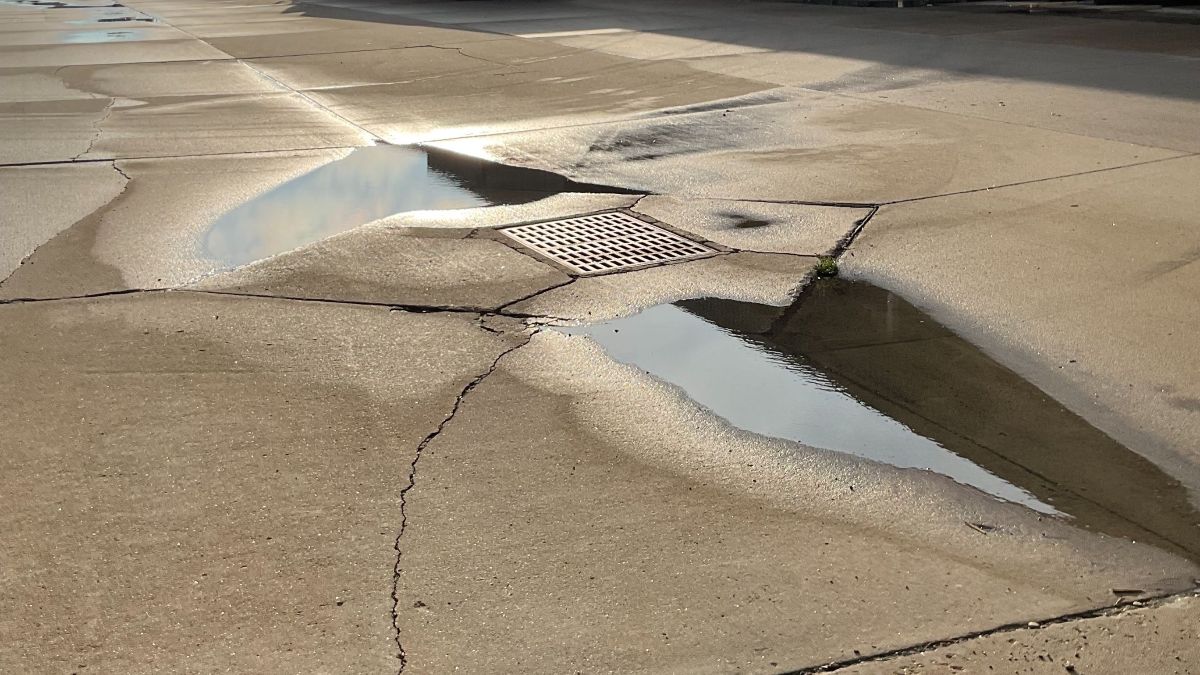
If water lingers longer than it should after rain or snowmelt, that’s a red flag. Pay special attention to:
- Sidewalks
- Parking lots
- Dumpster pads
- Loading zones
- Areas near storm intakes
2. Soil Erosion or Washouts
Look for areas where soil has pulled away from the slab edges or where voids are visible beneath the concrete.
3. Uneven or Tilting Slabs
If one panel sits lower than the next, water may be flowing toward it — not away.
4. Cracks That Widen Over Time
Cracks caused by drainage issues tend to grow as the base continues to erode.
5. Water Flowing Toward Structures
Downspouts, grading, or landscaping that directs water toward concrete surfaces can accelerate settlement.
What to Look for Around Storm Intakes, Streets, and Parking Lots
High‑traffic municipal and commercial areas are especially vulnerable. Watch for:
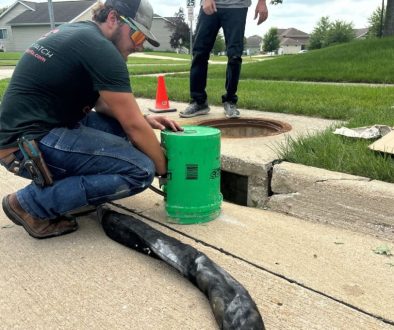
- Sunken slabs around storm drains
- Depressions where vehicles frequently stop
- Cracking or heaving near curb lines
- Water bypassing intakes instead of flowing into them
These issues often indicate voids beneath the concrete — a sign that water is moving where it shouldn’t.
When Concrete Lifting Can Correct Drainage‑Related Settlement
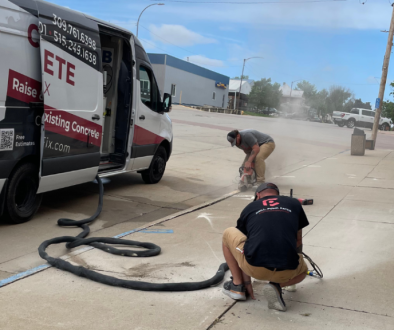
If the concrete is still structurally sound, polyurethane lifting is often the fastest, cleanest, and most cost‑effective solution. Lifting can:
- Restore proper slope
- Redirect water flow
- Eliminate trip hazards
- Extend the life of your concrete
This is especially effective for sidewalks, parking lots, plazas, and public walkways.
When Additional Solutions May Be Needed
Some situations require more than lifting alone. You may need:
- Joint sealing
- Caulking
- Re‑grading
- Downspout extensions
- Drainage improvements
- In severe cases, tear‑out and replacement
Our team evaluates the full picture so you get the right fix — not just a temporary patch.
Need Help Evaluating Your Site?
If your organization manages property in Iowa or Illinois and you’re seeing pooling water, settlement, or trip hazards, Concrete PolyFix can help. We provide fast, clean, minimally disruptive repairs for:
- Cities & counties
- Schools & universities
- Parks & recreation departments
- HOAs
- Commercial facilities
- Industrial sites
Schedule a free, no‑obligation on‑site evaluation and get a clear plan for your concrete.